Articles (38)

25
SepWhy Ottawa?
Launching in a new city always comes with some uncertainty, especially when you are starting without an established network.<h2 style="line-height:1.38; margin-top:23px; margin-bottom:12px"><span style="font-size:17pt; font-variant:normal; white-space:pre-wrap"><span style="font-family:Arial,sans-serif"><span style="color:#000000"><span style="font-weight:700"><span style="font-style:normal"><span style="text-decoration:none">Reflections on Bringing Tuktu to Ottawa, Ontario</span></span></span></span></span></span></h2> <p style="line-height:1.38; margin-top:8px; margin-bottom:8px"><span style="font-size:11pt; font-variant:normal; white-space:pre-wrap"><span style="font-family:Arial,sans-serif"><span style="color:#000000"><span style="font-weight:400"><span style="font-style:normal"><span style="text-decoration:none">Launching in a new city always comes with some uncertainty, especially when you are starting without an established network. When Tuktu began preparing to expand into Ottawa, the goal was simple: spend five weeks meeting people, building relationships, and hopefully finding 15 to 20 reliable, community-minded individuals interested in becoming Tuktu providers. By the end of that period, however, we actually received around 200 applications, completed dozens of interviews, begun onboarding local providers, and connected with a range of community organizations, hospitals, care homes, and potential partners across Ottawa.</span></span></span></span></span></span></p> <p style="line-height:1.38; margin-top:8px; margin-bottom:8px"><span style="font-size:11pt; font-variant:normal; white-space:pre-wrap"><span style="font-family:Arial,sans-serif"><span style="color:#000000"><span style="font-weight:400"><span style="font-style:normal"><span style="text-decoration:none">One of the things that stood out most about Ottawa was how connected people were to their communities. We met people involved in cultural communities, newcomer communities, LGBTQ+ communities, neighbourhood groups, and other local networks. Many were looking not only for flexible work, but also for meaningful ways to support older adults, families, and neighbours who could use an extra hand. This all aligns closely with Tuktu’s “neighbours helping neighbours” model. Many people need support with everyday tasks such as companionship, errands, transportation, household help, or regular check-ins, while others living nearby have the time, skills, and experience to provide that support.</span></span></span></span></span></span></p> <p style="line-height:1.38; margin-top:8px; margin-bottom:8px"><span style="font-size:11pt; font-variant:normal; white-space:pre-wrap"><span style="font-family:Arial,sans-serif"><span style="color:#000000"><span style="font-weight:700"><span style="font-style:normal"><span style="text-decoration:none">Our time in Ottawa reinforced the importance of community-based support for people balancing multiple responsibilities. Many adults are managing careers, raising children, and supporting aging parents at the same time. Even when family members live relatively close by, providing regular day-to-day support can be difficult. When someone in a neighbourhood needs support and another person nearby is able to provide it, that relationship remains rooted in the community. Our tech helps with matching, scheduling, communication, and administration, but the service itself is ultimately based on people building trusted relationships with one another.</span></span></span></span></span></span></p> <p style="line-height:1.38; margin-top:8px; margin-bottom:8px"><span style="font-size:11pt; font-variant:normal; white-space:pre-wrap"><span style="font-family:Arial,sans-serif"><span style="color:#000000"><span style="font-weight:400"><span style="font-style:normal"><span style="text-decoration:none">Ottawa is still a new market for Tuktu, so the current focus is on continuing to onboard providers, strengthen local partnerships, and make more people aware that services are available. Longer term, the goal is to continue expanding the same community-based model into other parts of Ontario and, eventually, across Canada. For our team, those first five weeks in Ottawa were an encouraging introduction to the city, and we look forward to more successes!</span></span></span></span></span></span></p> <p> </p>

05
AprRural Health Transformation Fund
The Rural Health Transformation Program, authorized by the One Big Beautiful Bill act signed this past summer, intends to strengthen rural communities within the United States by improving healthcare in those communities.
 (1)_1769713608_1770904227.jpg "Independence vs Isolation: How Companion Services for Seniors Balance Both")
29
JanIndependence vs Isolation: How Companion Services for Seniors Balance Both
Aging at home represents freedom, dignity, and control over daily life. Many older adults strongly prefer familiar spaces, personal routines, and making choices without outside pressure. Independence often feels like success in later life, especially when health is stable and daily tasks still feel manageable.

08
JanTop Signs Your Loved One May Need Professional Elderly Care
Top Signs Your Loved One May Need Professional Elderly Care As parents and grandparents age, their needs change. Some seniors manage daily life independently, while others require more help. Recognizing the signs early can prevent accidents, health issues, and loneliness. Professional elderly care Toronto services offer support and peace of mind for both seniors and families. Difficulty With Daily Tasks A common sign that your loved one may need help is struggling with daily routines. Tasks like cooking, cleaning, or laundry may take longer or be skipped entirely. Missed meals or household chores can affect health and comfort. A professional caregiver Toronto can assist with these responsibilities safely and reliably. Forgetfulness and Memory Issues Occasional forgetfulness is normal, but consistent memory problems are concerning. Seniors may forget medications, appointments, or daily chores. These lapses can lead to health risks or accidents. An elderly caregiver Toronto can provide reminders and supervision, ensuring medications are taken and schedules are maintained. Changes in Personal Hygiene Noticeable changes in grooming or cleanliness can indicate difficulty managing self-care. Seniors may struggle to bathe, dress, or brush their teeth regularly. Maintaining hygiene is essential for health and confidence. Professional caregivers can offer respectful, practical support to help seniors stay clean and comfortable. Mobility Challenges Difficulty walking, climbing stairs, or maintaining balance is another warning sign. Falls are a leading cause of injury in seniors. If your loved one uses furniture for support or avoids certain areas of the home, it may be time for help. Senior care Toronto services provide assistance with movement, exercise, and fall prevention. Social Withdrawal Seniors who stop attending social events or lose interest in hobbies may feel isolated or depressed. Loneliness can worsen health problems and decrease overall well-being. Companion services from caregiver agency Toronto can encourage social interaction, hobbies, and outings, improving mood and engagement. Poor Nutrition Skipping meals, losing weight unexpectedly, or eating only certain foods can indicate difficulty preparing meals. Proper nutrition is vital for energy, immunity, and overall health. Professional elderly caregivers can plan, prepare, and assist with meals tailored to dietary needs. Health Management Issues Many seniors manage multiple medications or medical appointments. If these are missed, it can lead to serious complications. A caregiver helps monitor health, schedules appointments, and ensures medications are taken correctly, reducing risk and improving overall wellness. Behavioral Changes Sudden irritability, confusion, or anxiety may signal that a senior is struggling with independence. Emotional well-being is as important as physical care. Professional caregivers provide patience, support, and companionship, helping seniors feel safe and understood. Safety Concerns at Home Cluttered spaces, poor lighting, or difficulty using appliances may increase accident risk. Seniors may attempt tasks beyond their capability, leading to injury. Elderly care Toronto providers assess home safety and assist with tasks to prevent accidents. Cluttered spaces Frequent Hospital Visits or Medical Issues If your loved one experiences repeated falls, illnesses, or medical complications, it may indicate the need for ongoing support. Caregivers help manage recovery, daily routines, and preventive measures, reducing hospital visits and improving quality of life. Choosing the Right Support Finding the right care is essential. Look for licensed and experienced providers who understand seniors’ needs. Check reviews, ask about training, and ensure caregivers are compassionate and reliable. A professional caregiver can offer the right mix of support, companionship, and independence. Final Words Professional elderly care helps seniors live safely and comfortably at home. Recognizing these signs early ensures timely support and better quality of life. If you notice any of these indicators, consulting a caregiver agency Toronto can provide peace of mind and tailored care for your loved one.

20
DecPreventing Accidents and Enhancing Comfort: The Role of a Seniors Companion
Aging can bring many challenges. Daily tasks that once felt simple can become risky or tiring. Many seniors face the dangers of falls, missed medications, or lack of social interaction.

22
NovHow Senior Home Care Can Improve Quality of Life
Learn how leading home care agencies support seniors with housekeeping, meal prep, companionship, and personalized assistance. Quality in-home care helps older adults stay independent and comfortable.

28
AugPersonal Shopping for Seniors: 7 Ways of Making Grocery Shopping Safe And Easy
In today's fast-paced world, the benefits of convenience and personalized services are becoming more apparent. One such service that is popular, especially with family caregivers is the use of Tuktu’s personal shopper for their aging parents or loved ones. This service is not about luxury or indulgence; it is a practical solution for many seniors who face challenges with mobility, transportation, or simply the energy it takes to manage shopping.

23
AugThe Role of Companions in Managing Senior Depression
Aging is accompanied by numerous challenges that affect emotional, mental, and physical well-being. One of the most profound impacts is on mental and emotional health, often exacerbated by significant life changes such as the loss of close friends, family members, or partners. Such losses can lead to feelings of loneliness and isolation, contributing to increased instances of depression among seniors.

21
AugThe Hidden Benefits of Housekeeping for Aging Loved Ones
Increasingly Canadian seniors are choosing to age in place. As we age, maintaining a clean and organized living space is not simply about aesthetics – it has a significant impact on health, well-being and safety.
16
AugThe Impact of Companion Care on Senior Health and Wellness
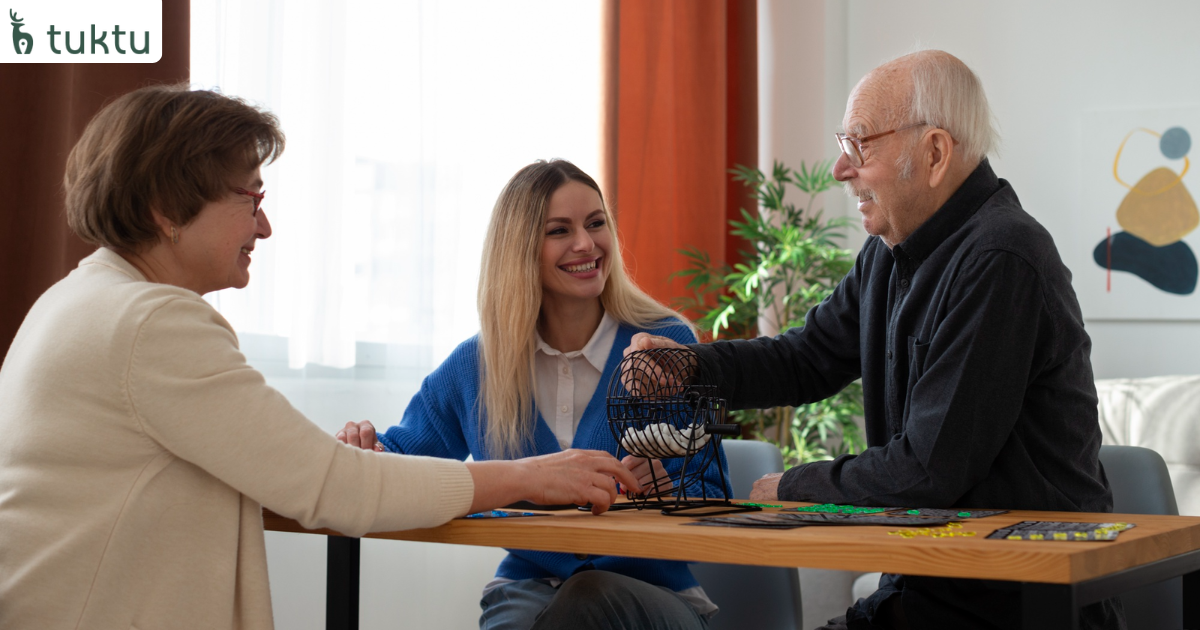
As people age, their need for having support, companionship and constant care increases. Having a companion in your senior years can have a huge impact on the mental, emotional and even physical well-being of an individual.

13
AugCombating Social Isolation in Older Adults: Well-being Check-in Services
The issue of social isolation and loneliness among older adults in Canada is a growing concern, with significant health consequences. Close to 41% of Canadians aged over the age of 50 face risk of social isolation and 58% in the age category have experienced loneliness. Social-isolation and loneliness has severe negative health consequences, with some research likening it to the equivalent of smoking 15 cigarettes a day.

09
AugPost-Hospitalization Recovery: How to care for your loved ones after a hospital admission
When a person has been admitted to the hospital, often the focus is on treating the patient's condition. Care teams work on the medical procedure and treatment plans. What is often forgotten is the care needed after discharge from the hospital. Careful post-hospitalization care is required to avoid post-hospital syndrome and consequent re-hospitalization.